I want you to get the life you deserve.
about me
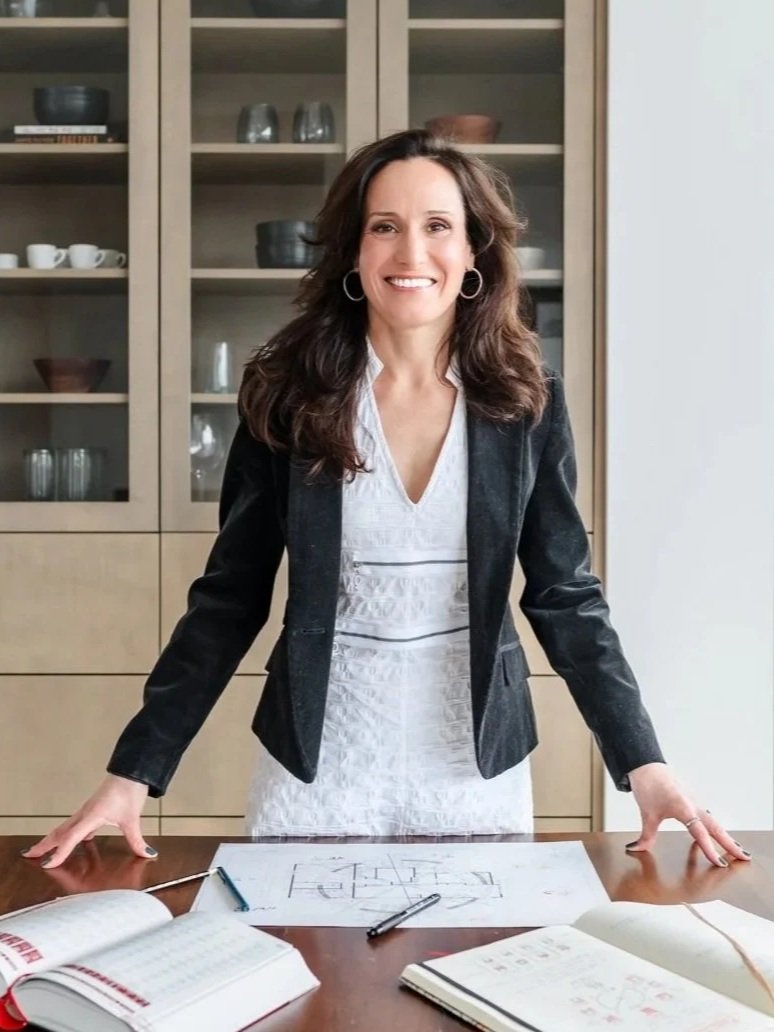
Hi, I’m ELENA
I was born and raised in Spain. Educated as an architect and sustainable designer in the Polytechnic University of Madrid, I have worked most of my days in architecture offices both in Madrid and Kelowna.
The human condition fascinates me.
Aside from architecture, my other passions are psychology, philosophy and meditation. I’m deeply curious and a re-searcher, always questioning and looking for answers and meaning. What are the mechanics of existence? What is the purpose of life events? Is suffering necessary? Do we, as individuals, have any influence in our destiny? Do our external circumstances influence our experiences?
Mother, wife, passionate about healthy living… when I’m not visiting homes or writing reports, you can find me buried in books or sitting on my yoga mat for long periods of silence. I miss the slow analogic era, but from time to time I still get to relish long never-ending meals in Spain with family and friends around a well socarrat paella.
“Architecture communicates directly to your soul.
It is the atmosphere, the story that has been created through light and proportion, and you are part of it”
— Daniel Libeskind, architect.
The Voices of a Site
-
As a child, my favourite game was playing house. I’d chalk-draw floor plans on the sidewalk and move around “rooms” pretending to live like the grown-ups. Even then, I was curious about how life worked. I quietly observed adults, caught up in their endeavors — busy, preoccupied — and I struggled to understand the purpose behind it all.
Highly sensitive and intuitive — a true Pisces — I used to find calm and clarity in nature, wandering in solitude through the fields of Castile. I discovered that some places had the power to quiet my confused mind and balance my emotions.
Overwhelmed by the complexity and ineffability of reality, I was drawn to art and mathematics for their ability to give the world a concrete expression.
Architecture school trained my eye to see beauty in geometry, light, and proportion. I learned to design spaces that meet function, building codes, safety guidelines, structural requirements, thermal comfort and budget. Yet little was said about meeting the needs of the occupants in terms of physical, psychological and emotional well-being.
Years of professional practice in residential and commercial projects only reinforced my idea of the missing link between the space and the person. I was lost, joyless, and disconnected from my career as an architect. I was craving purpose and meaning.
But Life works in mysterious ways.
In 2013 I packed my belongings and left Spain to embrace the unknown. I was looking for silence, adventure, and a profound change. The little I knew about Canada — wild nature, dark winters, and kind people — was enough.
It has not been an easy road — which one is? — But it led me to where I’m today. And I keep walking. There is always something worth exploring around the next corner.
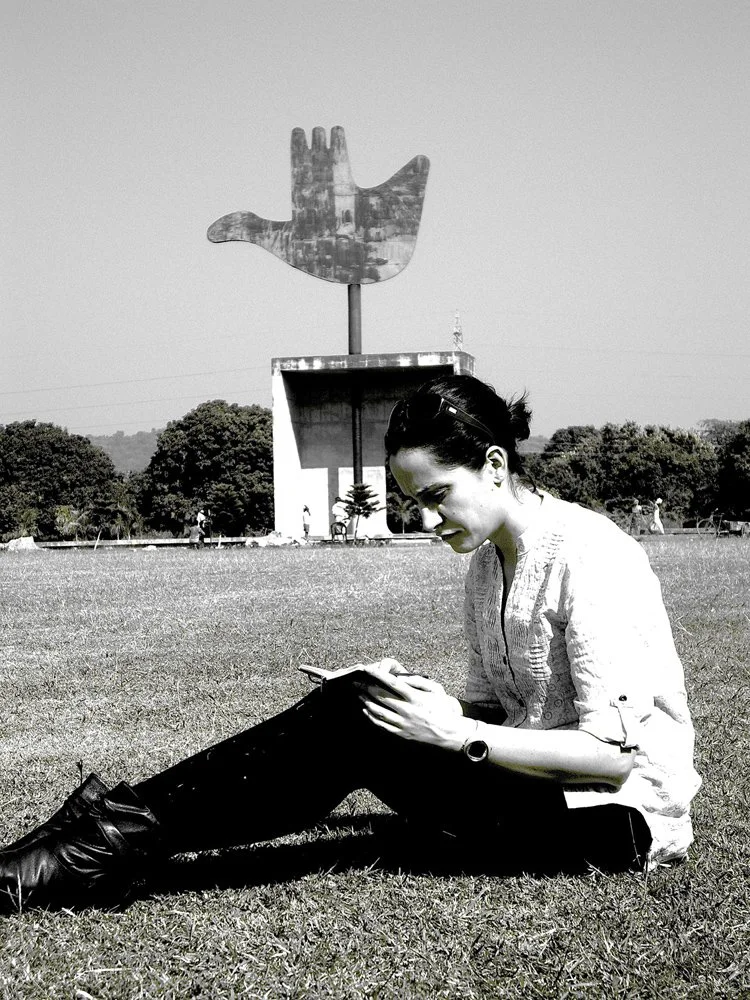
For a long time I’ve been tirelessly looking for ways to integrate my passions into my profession, with the ultimate purpose of the betterment of people and the planet.
Lucky enough, the answers found me,
Classical Feng Shui and Neuroarchitecture.
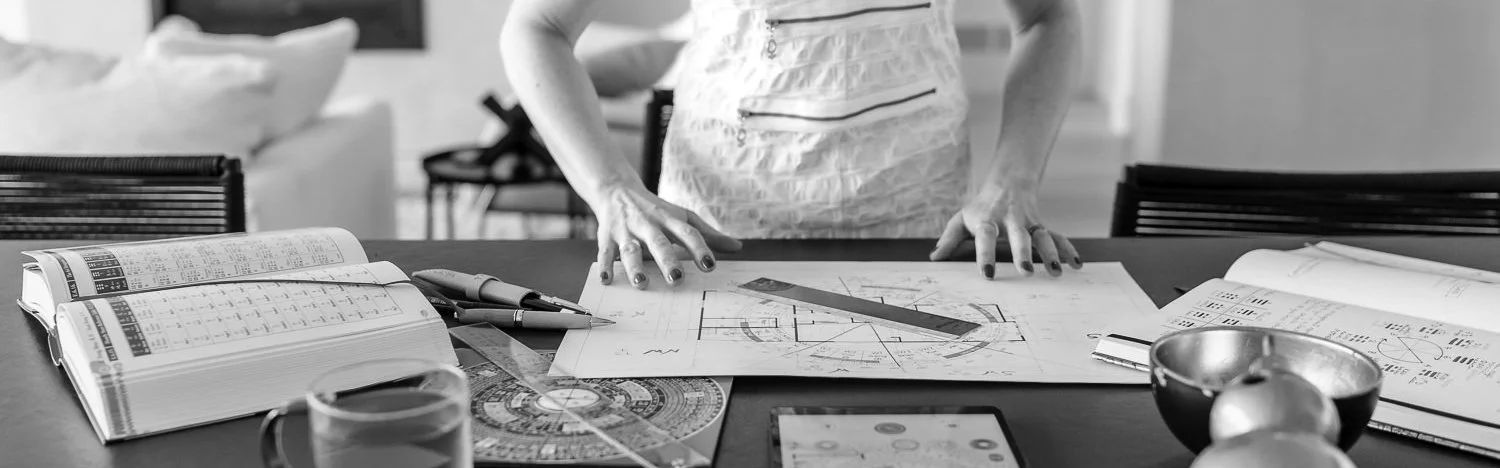
Now I help home and business owners create spaces that support their unique innate energy and make the best out of their potential.
Let me be your guide on this journey!
about Neuro-Architecture
Think of A PLACE YOU LIKE TO BE IN…
Why? What’s there that makes you feel good? That is the answer neuroarchitecture tries to find.
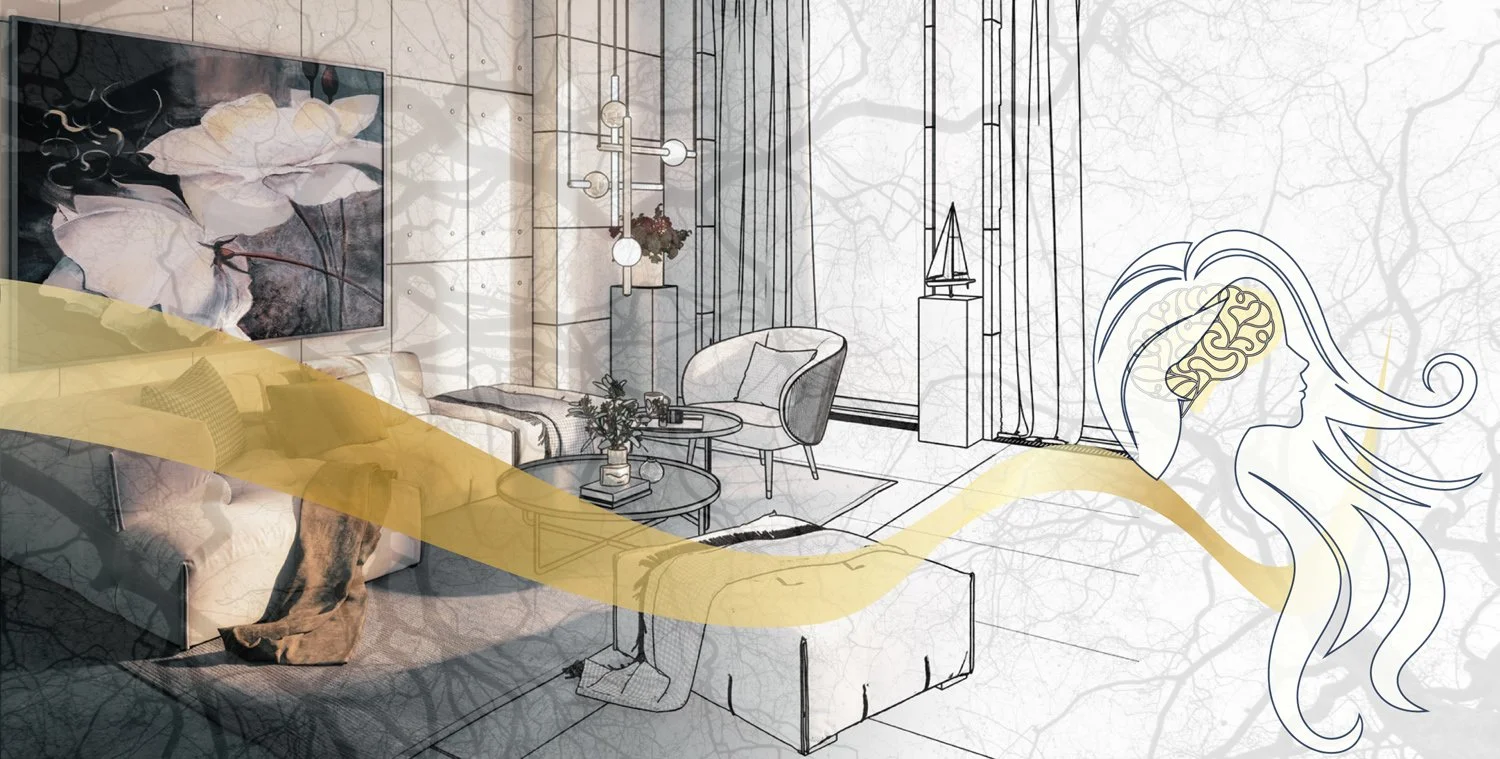
“Your house is an extension of your body.”
— Kahlil Gibran
WE SHOULD SEE ARCHITECTURE NOT FOR WHAT IT IS, BUT BY WHAT IT DOES
Architects, psychologists, and neuroscientists integrate their disciplines and research to discover that:
The Built Environment Profoundly Impacts Human Health and Wellness.
The next question is… Can we actively create health by what we design and build?
Think of your space as food that has the ability to enrich your mind, body and spirit… or do the opposite, starve you. Is there an architecture with a ‘superfood’ effect, full of nutrients? Or, by contrast, an ‘ultra-processed’ environment packed with empty calories that causes dis-ease?*
Neuroarchitecture examines how specific design choices like:
Floor plan layout, pathways, room arrangement, and use of spaces,
Orientation, natural light, sun exposure, openings, and views,
Colours, patterns, materials, artificial lighting, textures, and proportions,
Plants, biophilic elements, access to nature, and air quality, and
Sensory inputs, such as thermal, visual, olfactory, and acoustic,
all influence our mood, emotions, stress levels, cognition, attention, creativity, sleep quality, and social interaction.
Placemaking is conceived as a health generating system that creates well-being and human flourishing. The focus shifts from “doing no harm” to “building health”, following salutogenesis determinants (salus=health & genesis=origin),
Although still evolving, researchers are laying out the foundations to translate their findings from the lab and academic world into practical applications. Neuroarchitecture is used in designing:
Homes that support human biorhythms and circadian cycles, balance hormones, and promote better sleep,
Schools that prevent bullying and improve learning, cognition, attention, and empathy,
Hospitals that accelerate healing and recovery,
Workplaces that enhance productivity, motivation, and creativity, while reducing stress and burnout,
Urban environments that encourage social connection and physical activity.
*Architecture as food, Ty Farrow — 2025 ANFA conferences
“Environment is the invisible hand that shapes human behaviour.”
— James Clear, Atomic Habits

about Qi
Qi flows according to the shape of the earth.
With Qi's nourishment, all living things come into existence.
— Book of Burial (3rd century)
Qi, pronounced “chee”, is the Chinese word for “air”.
But this word has more intrinsic meanings. It is the force that brings life to all beings and can be best called “life's breath”. Simply, Qi is the underlying essence, soul, and intangible substance of all things. It is in the air we breathe, the Earth's magnetic field, cosmic radiation, and the sun's light. It's the energy that drives life forward, both physical and metaphysical, as well as the force that nourishes every existing being and governs our health, wealth, and happiness. Nothing can grow and flourish without an ample supply of smoothly flowing Qi.
In Feng Shui, Qi is like the energy, organic in nature, that flows in a space.
Qi is stimulated by acupuncturists with their needles to promote a healthy flow in the body. And it is what Feng Shui practitioners harness with the goal to improve the quality of the spaces and the life of the occupants. When we arrange a space according to the principles of Feng Shui, channeling Qi in a positive direction, clearing away blockages, and enhancing the free flow of vitality, what we are doing can be called “acupuncture for the home”.